
Author: Blue

  • ONF Comes Back With a New Identity in EP “ONF: MY SELF”

    ONF Comes Back With a New Identity in EP “ONF: MY SELF”

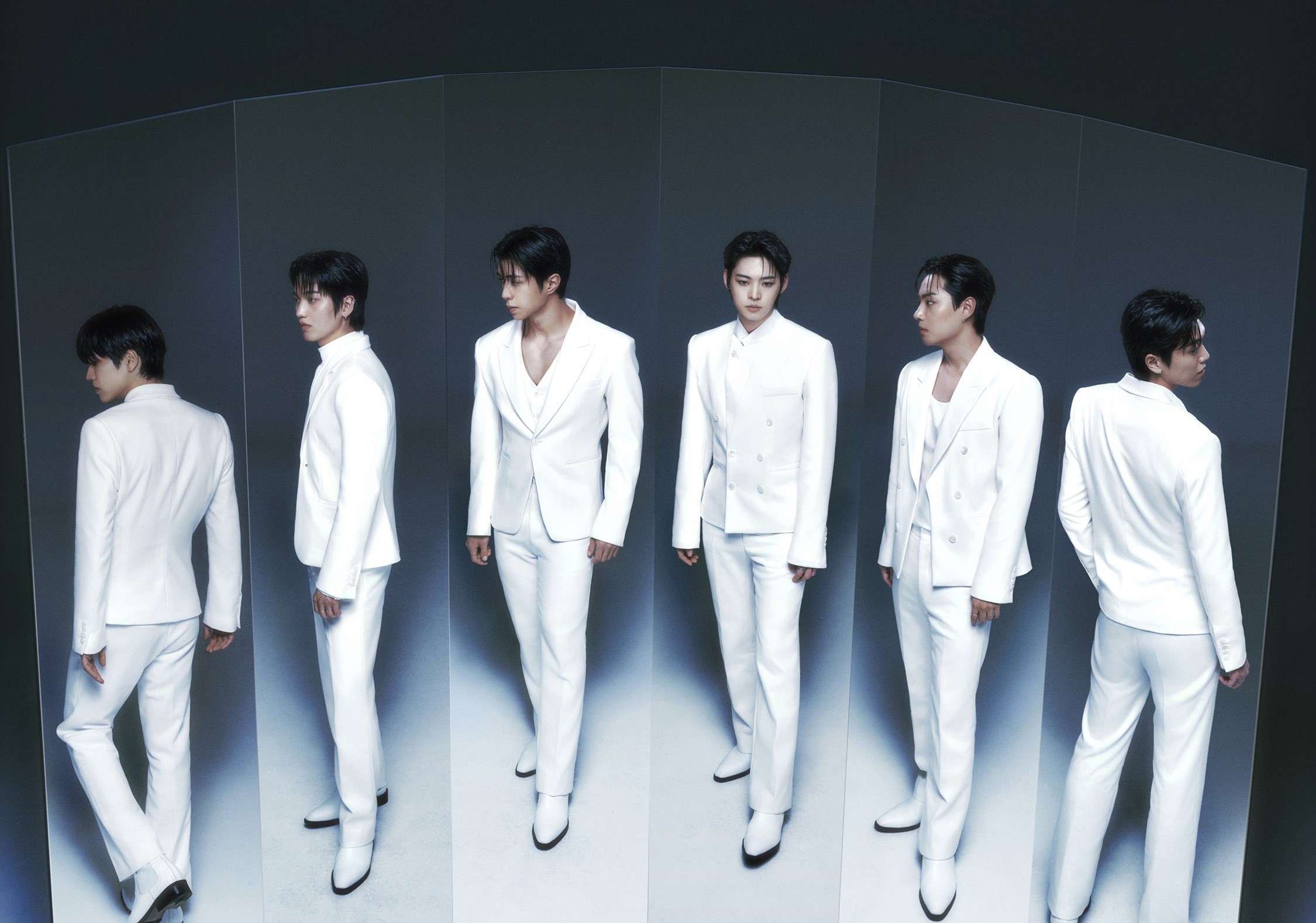
    ONF come back with their new mini album “ONF: MY SELF”, which tell the stories of pain and love. Photo credits to ONF, KI Entertainment.

    ONF, pronounced “on and off”, have been a distinct staple in K-pop since their debut in 2017. With their unique melodies and some of the most distinct and recognizable voices in the industry, their consistent yet unique sound has captured the hearts of their fans. FUSE– their fandom — have stuck by the groups’ side for nearly a decade, and after changing from their debut company to another this year, the boys are on a mission to simultaneously return to form and reinvent themselves in the current scope of K-pop. Having gone viral for various things since their enlistment, ONF return to enchant people with the intricate musicality that their members hold. The 6-member group continues to capture the hearts of fans, new and old alike, with their newest album ONF: MY SELF. 

    Without hesitation, the album begins with the title, “Open the Door”, which is a call to open the door to a shadow and face one’s self. The lyrics describe someone who is in constant pain and goes back to the place the pain began in an effort to resolve it and move on. As they stay there, staring at the door, they remind themselves they have to open the door in order to end the pain and start again. They had almost lost hope, with that light fading more and more every day, not being able to “tell hope from illusion” as they describe their despair. The MV for this track may seem simple, but the framework and effects add to the complexity of one’s own mind and how we can easily fool ourselves. The scenes depict the members facing shadows and various fears they have, but all being pushed to open the door to free themselves from their self-made prisons. The track itself is reminiscent of their previous tracks “Bye my Monster” and “We Must Love”, with orchestral additions and the unique way they build their harmonies with each other. This track inspires the listener to open the door to the next stage in order to move on without fear. 

    Following this grand title track is a track that portrays what it would be like if they didn’t walk through that door to end the pain. “Bad Dream” describes someone who is actively choosing a bad dream rather than letting go of their pain. They don’t want to be without someone and refuse to leave the painful dreamscape, despite knowing it will not end well. The backtrack of the song sounds like dreamy hyper-pop with heavy synths and high harmonies, ricocheting off the vocals with reverb. Opposing “Bad Dream” is the next track, “Escape”, where the lyrics describe breaking free from the things holding the group back. In this narration, the speaker turns a complete 180 from the previous track, wanting to charge ahead and escape the chains of their pain, just like in the title track. This time there is increased emphasis on running forward without thinking. The music hits the ear with intense electronic sounds that call back to ONF’s previous electronica phase in the early 2020s before their enlistment. This accentuates members Minkyun and Wyatt’s voices, both becoming more prominent with the dichotomy of their voices on full display. The relationship of these two tracks clearly shows the choice we all have to either stay in the dark and in our pain, or to run towards the light with no hesitation to better things, no matter how long it takes. 

    As “Escape” is a driving force to move on and focus on the light, “Mirage” describes being left behind in a relationship. The melody and music sound as though they would befit an OST for a K-drama with strong falsettos from various members accompanied by an acoustic guitar and soft drums. This track sounds like one that would play when a couple has broken up at a cafe, and the singer is the one looking out the window as it starts to rain. The longing in the lyrics is one of lost hope and acceptance, with the end of the relationship being inevitable and somewhat expected by the speaker. The lyrics reference their love as being a finite story with a set number of pages in a book, and then describe a densely packed book with erased letters, which fills this melancholy track with sorrow. Minkyun’s ad-libs and high notes add to the slow acceptance and loneliness of the lyrics. 

    “Silver Lining” is a straightforward track that can be interpreted one way: things cannot always be the same and change is inevitable. This track is full of hope and emits a light that is hard to describe. The members all have melodies and lines that are inherently inspiring, but when put together in this way, it makes the listener feel they can do anything. This is the ultimate feel-good track when you need a pick-me-up. You can feel the members uplift you with their voices, launching you into an elevated space. In comparison, their final track, “Once in a Red Moon”, describes the feeling of excitement and companionship as they continue moving forward with their fans. This track has a clear 3rd generation sound, as do most of ONF’s tracks, which make the music and lyrics sound nostalgic. Except for a few ad-libs, the lyrics of this track are entirely in Korean, which follows their usual trend of having more Korean lyrics than English. This track has a driving beat that brings a certain uplifting and encouraging feeling to the listener’s ear, making it a perfect ending to this album of self-discovery and love. 

    ONF have continuously pushed their own limits with their never-ending creativity and integrity, only comparing themselves to their own track record and never to anyone else. Because of this, they have been able to continue to grow as musicians and performers with true self-reflection. Their music continues to light up the ears of Fuse and hopefully bring in new fans to follow them on their journey as idols. All members of ONF have a say in the content they put out and will continue to be a light in this dull world.
  • Soloist WOODZ Expresses His Identity Through New Album, “Archive 1.”

    Soloist WOODZ Expresses His Identity Through New Album, “Archive 1.”

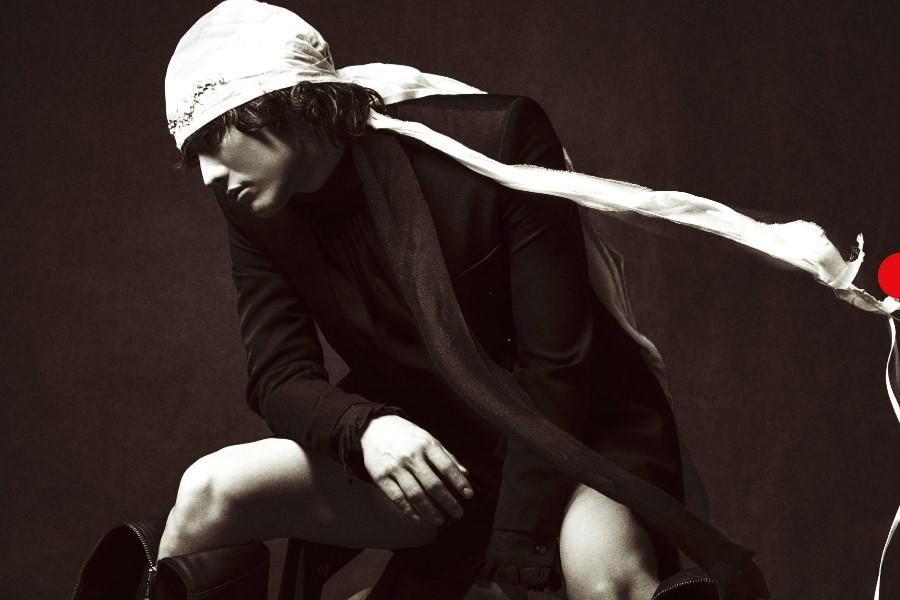
    Solo KPOP artist WOODZ returns with his long anticipated album, “Archive 1”, which is made up on 17 tracks that convey his many emotions. Photo credits to WOODZ and EDAM Entertainment.


    WOODZ is back! After completing his military service, soloist WOODZ is back with his first full album, Archive 1, including 17 brand new tracks. MOODZ (WOODZ fandom) have been waiting for nearly three long years for a new album, only being satiated for brief moments with digital releases and OST appearances. Along with this extensive track list, WOODZ is also appearing in his first acting role as Woojin in the movie “Slide, Strum, Mute,” which aids in showcasing his range of talent. This amalgamation of tracks has been described by WOODZ himself as raw and unfiltered, showcasing the sides of himself that he has kept tucked away. A wide variety of genres can be found in this masterpiece, ensuring something for everyone.

    In the highlight medleys, the tracks were categorized into four subjects that Seungyoun wanted to portray as he explores his inner psyche, evolving into who he wants to become. The groupings are not concurrent with the track list, organizing the tracks by their content. For the first category, WOODZ dives into the subject of instinct, starting with a bass-driven, rap-heavy track titled “00:30” that emphasizes freedom and the expression of oneself. He expresses his self-doubts and shakes them off without looking back, moving forward despite how everyone sees him. “Stray” is the second track in this category, and it allows him to dip his toes into the NuMetal genre with intense guitar and drums coupled with raging vocals. Following the theme of instinct, the lyrics describe someone who is sure of themselves and their actions as being right and all other things being wrong. This track pairs well with “00:30” as they both portray a heavier rock sound that Woodz has been teasing for years, while also complementing each other lyrically. The next two tracks follow a similar style as they are both influenced by classic rock with a slight country kick to them. “Downtown” describes WOODZ’s freedom as the city calls his name, running with the wind wherever it takes him. Similarly, “Bloodline”, talks about following the path that is set out for him by his bloodline, saying how he’s been baptized in the “good life”, expressing that his luck has nothing to do with how people see him. Instinct as a concept invokes immediate reactions to one’s surroundings, and these tracks encapsulate how WOODZ feels when trying to simultaneously follow his instincts while tuning out the world saying negative things about him. 

    The next category is emotions, and, as any MOODZ would know, Seungyoun is never scared to write about his feelings and put them into his music; however, this time feels different. To start this deep dive into WOODZ’s brain when it comes to emotions is “Plastic”, an R&B-inspired back track that is paired with voice distortion and introspective lyrics. He talks about achieving his dreams, but something is missing, making him feel too thin, like he is made of plastic. The stylistic way he emphasizes the beginning of each bar with a sliding high note and singular syllable catches the ear, wanting to resolve the dissonance. On the contrary, “STOP THAT” discusses the intrusive thoughts that Seungyoun was experiencing when he was a trainee, comparing himself to everyone around him. This upbeat pop sound leaves the listener in high spirits as WOODZ describes how he had to fight himself internally to not give up on the dream he had been chasing. “GLASS” was chosen to follow, and this track deals with intense feelings of loneliness. With a slower tempo that grows into a power ballad about being perceived as someone who is made of stone, but in reality, he’s made of glass, being more susceptible to harsh emotions and perceptions of him. As a sort of self-soothing after “GLASS”, WOODZ wrote “To My January”, a track that comforts the listener with a more upbeat and hopeful sound. The lyrics portray an idea that no matter what you feel, a new beginning is just around the corner and will always come. These emotions range from loneliness and despair to dreams and hope, encapsulating the human experience as we go through life. 

    The third category is labelled relationships and pertains to all kinds of relationships with people rather than solely romantic ones. WOODZ kicks off this section with the second title of the album, “NA NA NA”, which is a self-described track about seeing someone across the way at a festival and being instantly attracted to their vibe. Paired with a pop/rock sound and driving rhythm, the lyrics describe the rush of feelings when at a festival and the way worries just melt away as you dance while the music plays through the night. Following “NA NA NA” is “BEEP” where WOODZ describes the intricacies of being really into a person who isn’t as into him. “Beep” is repeated throughout the track to interrupt his thoughts, just as a notification on his phone would. The vibe of the track is akin to the sound of the Beatles with 60s-style rock and guitar riffs. WOODZ talks about how much he overthinks, explaining he plays out conversations that never really happened and how anxious he is when his phone goes off, interrupting his thoughts. With an acoustic sound and delicate vocals to start, “SAMO” reflects on a failed relationship, being met with the cold shoulder. In headphones, the first few beats of the chorus can be intense, so listen responsibly. The track is concluded by an almost minute-long guitar outro, harkening back to the rock theme of the album. To end this category is the track that was pre-released a few weeks before the album, “Cinema.” This track was showcased at his last concert before enlistment and has a similar sound to his chart-topping track, “Drowning”. The story that is told through the music and lyrics is one of longing and regret as he reminisces about the happy times. The MV that accompanies this track portrays the love story of a couple destined to fail.

    In the final category, WOODZ explores his identity through tracks that dive into his deepest, darkest thoughts and feelings. The overall feel of this group of tracks is experimental, with the use of interesting tempos and rhythms, adding layers upon one another to build something truly unique. “Super Lazy” has one of the best examples of this beat layering, starting with a broken-down beat that builds to an interesting combination of sounds to create something that stands out. As part of his identity, WOODZ describes how he just wants to drink some tequila and jump in his bed, despite his MBTI being ENFP. The next track starts with an interesting vocal line, mixing harmonies with similar intervals, layered by jazzy drums and a repetitive bassline. WOODZ is talk-singing through the track about how he is sick of the same old life and how he is slowly losing his mind.  He talks about the ways he copes with the same old things by turning on music and letting out his “Struggle”, as he barely manages to lift himself from his slump. In addition to the pop/early rock sound, WOODZ blesses us with a track that feels inspired by the 60’s rock style. Just as the “Dayfly” lives its entire life in a day, WOODZ wants to live every day as if it’s his last so he doesn’t waste time or have any regrets. He wants to shine bright as he continues to chase the light; he wants to bring the world. “The Spark” is introduced with a funky guitar riff that is built up by a steady drumline that follows the guitar, with a lack of a bass line in the verses to give extra attention to the lyrics. The lyrics follow the inner thoughts Seungyoun has when he is faced with someone saying something that hurts him. He laments how he doesn’t understand how those cold words can make him so hot and how the words that were said didn’t break him as expected. He keeps pushing forward despite the cold words of someone who wishes him ill. In the title track of this first full album, “Human Extinction”, WOODZ starts by saying how he doesn’t know himself, second-guessing everything his life has been and slipping into self-doubt. He uses this track as a way to reflect on himself and ask why we are all here as humans. He utilizes this track as a commentary on the human experience and how humans will be the end of themselves. WOODZ cleverly uses light as an objective thing that only shows the truth, yet casts shadows where secrets and hidden desires lurk. This rock track has a continuous guitar melody of broken chords that flows effortlessly throughout, accompanied by driving percussion that makes the listener want to headbang with the rhythm.

    This album really is an archive of Seungyoun’s deepest, darkest thoughts, feelings and reflections, masterfully crafting an album that is so unequivocally WOODZ, showing more and more sides of himself than he has in the past. He has always tried to be an open book with his inner thoughts, and this album opens Pandora’s box, so to speak, as he explores not just himself but the way he interacts with the world and people around him. Each track is almost immediately relatable, while also feeling personalized at the same time, enforcing his innate ability to appeal to people and their inner thoughts. WOODZ never disappoints, and this album is definitely one you will want to add to your collection, as it is just the beginning of this version of WOODZ.